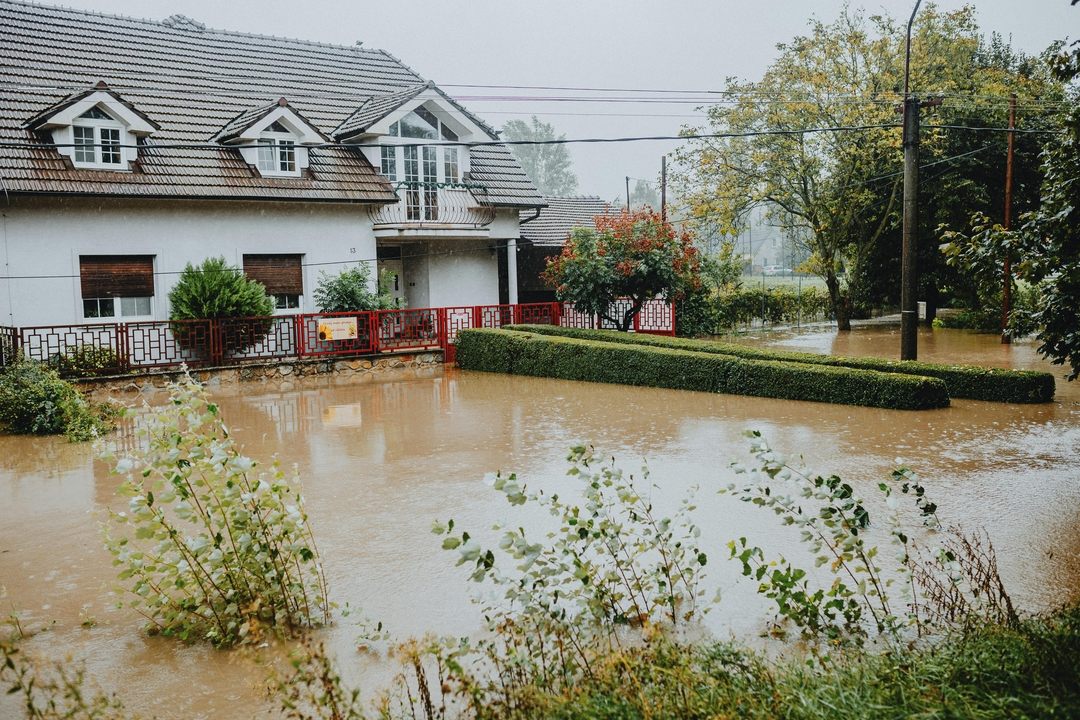
The quick answer: No, home insurance does not cover flooding. Many homeowners don’t realize this until it’s too late. Floods can cause extensive damage. Without the right protection, you could be left financially vulnerable. It’s important to understand what’s covered by your home insurance and what’s not. Let’s break down the coverage gaps and how flood insurance can keep you protected from the devastating effects of flooding.
Does Home Insurance Cover Flood Damage?
No, home insurance does not cover flood damage. While your homeowners policy will protect against many types of damage, floods are specifically excluded. This can be a surprise to many homeowners when a flood hits, leaving them unprepared for the financial strain that follows.
Why Doesn’t Home Insurance Cover Flooding?
Most standard homeowners’ insurance policies are designed to cover sudden, accidental events. These can be things like fire, theft, or wind damage, but they do not include flood-related losses. Flooding is considered a distinct risk because of how widespread and unpredictable it can be. Due to the high risk and cost, insurance companies require separate flood coverage for this specific threat.
Common Causes of Flooding Not Covered by Home Insurance:
Flooding can happen in many ways, and it’s important to understand what your policy doesn’t cover. Some of the most common causes of flood damage that aren’t covered by homeowners insurance include:
- Heavy rain that causes water to overflow into your home.
- Hurricanes or tropical storms that bring intense rainfall and rising water levels.
- Overflowing rivers or nearby bodies of water that flood your property.
If you’re concerned about these risks, consider additional flood insurance to ensure protection.
Why Homeowners Insurance Doesn’t Cover Floods
Homeowners’ insurance is made to cover sudden and unexpected events, such as fires, vandalism, or theft. These are the types of risks most people expect to be protected against when they purchase home insurance. However, flooding is considered a natural disaster, which is seen as a much higher risk. Because of potential severity and unpredictability of floods, they’re excluded from standard policies.
Flooding is Considered a High-Risk Event
Floods can occur quickly and unexpectedly, causing massive damage. Due to this high risk, insurance companies do not include flooding in standard home insurance policies. It’s important to understand that flood damage can affect both the structure of your home and your belongings. This makes it necessary to have additional protection.
Misconceptions Around “Water Damage” vs. “Flood Damage”
Many homeowners mistakenly think water damage from leaks, pipe bursts, or storms is the same as flood damage. While water damage from a burst pipe may be covered by home insurance, damage from rising floodwaters is not. The difference lies in the source. Flood damage comes from outside your home, such as heavy rains or rivers overflowing. Water damage usually involves internal issues like plumbing failures.
Understanding these differences will help you avoid confusion when reviewing your coverage options. If you live in a flood-prone area, adding flood insurance is essential to protect your home and belongings.
What Does Home Insurance Actually Cover?
Home insurance is designed to cover damage caused by unexpected events, but it’s important to know exactly what’s included. While flooding isn’t covered, there are many situations where your home insurance will step in to help protect your property and belongings. Knowing the difference between what’s covered and what’s not will help you avoid surprises when it comes time to file a claim.
What’s Covered Under Home Insurance
Your home insurance will cover a variety of damages that occur inside your home, but there are some important distinctions to keep in mind:
- Burst pipes: If a pipe inside your home bursts and causes water damage, it will typically be covered.
- Roof leaks from storms: If a storm damages your roof and rainwater leaks inside your home, that damage is usually covered under your policy.
- Interior water damage (not from flooding): Water damage caused by things like appliance failures or leaks from your roof will be covered, as long as it isn’t caused by flooding.
Example Scenarios: Where You’re Covered—and Where You’re Not
It’s essential to understand these differences when you’re filing a claim so you can make sure you’re getting the coverage you need. If you live in an area prone to flooding, adding flood insurance can give you peace of mind knowing you’re protected from the unexpected.
- Covered: A tree falls on your roof during a storm, causing damage. Your home insurance would help cover the repair costs.
- Not Covered: A nearby river overflows and floods your home. Unfortunately, this would not be covered by home insurance, but flood insurance could protect you in this situation.
- Covered: A pipe bursts in your basement, flooding the area. Your home insurance would help pay for cleanup and repairs.
- Not Covered: A heavy rainstorm causes water to enter through the basement windows, flooding the space. Since this is considered a flood, your homeowners insurance wouldn’t cover it, but flood insurance would.
Does Insurance Cover Flood Damage at All?
Yes—but only if you have flood insurance. While standard home insurance doesn’t cover flooding, you can still protect your home with a separate flood insurance policy. Flood insurance is specifically designed to cover the type of water damage caused by floods.
Flood Insurance: A Separate Policy for Flood Protection
Flood insurance is a distinct policy that focuses on the risks of water damage from flooding. This is separate from your homeowners’ insurance and is available through private insurers. It’s important to note that flood insurance covers only flood-related damage. It doesn’t cover water damage from things like burst pipes or roof leaks.
What Does Flood Insurance Cover?
Flood insurance can cover both the structure of your home and your personal belongings. If floodwaters damage your home’s foundation, walls, or floors, your flood insurance can help pay for repairs. Additionally, it can cover damage to your personal items like furniture, clothing, and electronics that may be affected.
Having flood insurance is the best way to ensure you’re financially protected in the event of a flood, especially if you live in a high-risk area. If you’re unsure about whether your home is at risk or if you need flood insurance, give us a call today for more information!
How Flood Insurance Works
Flood insurance is designed to help you recover from the financial strain that flood damage can cause. Unlike standard home insurance, flood insurance specifically covers damage caused by rising water. Understanding how flood insurance works can help you know what to expect if disaster strikes.
What Flood Insurance Covers
Flood insurance helps protect both your home and your belongings in the event of a flood. It can cover:
- Flooring: Hardwood floors, carpet, tile, and other types of flooring damaged by floodwaters.
- Walls: Structural damage to walls, insulation, and drywall caused by rising water.
- Furniture: Couches, chairs, and other furniture that are damaged by floodwater.
- Appliances: Damage to appliances like refrigerators, washers, and dryers that may be affected by flooding.
Flood insurance helps repair or replace these items, making it a crucial part of protecting your home if you live in a flood-prone area.
Is Flood Insurance Required?
If you live in a high-risk flood zone, your lender may require you to purchase flood insurance as part of your mortgage agreement. Even if you’re not in a high-risk zone, flood insurance can still be a smart investment. Floods can happen anywhere, and having coverage gives you peace of mind that you’re protected.
Need more info about how flood insurance works or want to get a policy? Contact us today to make sure you’re covered.
Why You Shouldn’t Wait to Get Flood Insurance
When it comes to protecting your home from flooding, timing is everything. Flood insurance is an essential safety net. However, it’s important to understand that some key timing factors could affect when your coverage starts.
Most Policies Have a 30-Day Waiting Period
One of the main reasons not to wait to get flood insurance is that most policies have a 30-day waiting period before coverage kicks in. This means if a flood occurs within the first 30 days after purchasing a policy, you may not be covered. Don’t wait until the storm is on the horizon—get flood insurance well before disaster strikes.
Don’t Wait Until a Storm is in the Forecast
Flood insurance is meant to protect you when unexpected floods happen, but waiting until a storm is forecasted is a risky move. Insurance policies will not cover you for a flood that is already predicted or occurring. The sooner you get flood insurance, the sooner you’ll have peace of mind knowing you’re prepared.
Floods Can Happen Anywhere
Floods are not just a concern for coastal or high-risk areas. They can happen in almost any location due to heavy rainfall, storms, or even local infrastructure issues. No matter where you live, flooding is always a possibility. Flood insurance ensures that you’re covered, no matter the risk in your area.
Protect your home before it’s too late. Reach out today to discuss your flood insurance options and get the coverage you need!
NFIP vs. Private Flood Insurance: What’s the Difference?
If you’re shopping for flood insurance, you’ve got options. The two main types are NFIP flood insurance (offered through FEMA) and private flood insurance (offered by private companies). Both can protect your home, but there are key differences to know.
National Flood Insurance Program (NFIP):
- Backed by the federal government
- Coverage limits: up to $250,000 for your home and $100,000 for belongings
- Often required if you live in a high-risk flood zone
- Limited customization and longer claim processing times
Private Flood Insurance:
- Offered by private insurance companies
- Higher coverage limits available
- May include additional features like temporary housing coverage or replacement cost
- Often more flexible and faster with claims
We’re currently helping our clients make the move from NFIP to Private Flood Insurance because it often provides broader protection and better value. If you’re not sure which one is right for you, we’re here to walk you through the options and help you choose the best fit for your home.
Protect Your Home with Dickey Insurance Solutions
Don’t let flood damage wash away your financial security. With our flood insurance, you can rest easy knowing you’re protected. Floods can happen unexpectedly, and the damage they cause can be devastating. That’s why we offer essential protection for both your property and your personal belongings, so you don’t have to face the aftermath alone.
As an independent insurance agency in Texas, we understand how devastating floods can be, and we’re here to help you recover and rebuild. Our flood insurance is designed to protect you from the unpredictable forces of nature, ensuring your home is covered when you need it most. You’ll have peace of mind, knowing you’re fully covered against flood damage, even if you live in a low-risk area.
Talk to our team today about adding flood insurance to your coverage plan. Don’t wait until it’s too late—floods can strike at any time, and having the right coverage in place is crucial. Reach out now for a quote, and let’s make sure you’re fully protected!