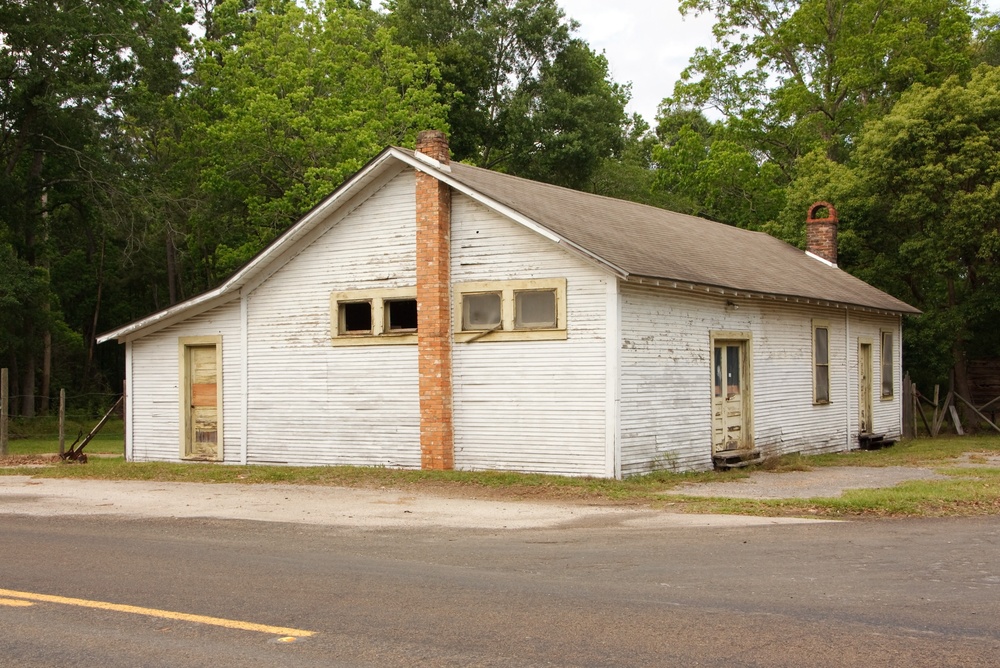
Owning a rental property can be a strong source of income, but it also comes with risks. Property damage, tenant issues, and legal claims can all affect your investment. Without the right protection, one unexpected event can lead to major financial loss.
Rental house insurance helps reduce these risks. It is designed for landlords and covers situations that standard homeowners’ insurance does not. In fact, about 4.1% of U.S. homeowners file a property damage insurance claim each year, underscoring how common unexpected losses are. This makes proper coverage essential for long-term stability. Understanding what your policy should include helps you protect your rental income, maintain your property, and avoid costly surprises.
Key Takeaways
- Rental house insurance protects against property damage, liability, and income loss
- Standard homeowners’ insurance does not fully cover rental properties
- Liability coverage is critical for tenant-related risks
- Loss of rental income coverage helps maintain cash flow during repairs
- Keeping your policy updated prevents coverage gaps and financial risk
Why Rental House Insurance Matters
Rental properties face different risks than owner-occupied homes. Tenants, visitors, and daily use increase the chance of damage or accidents. Without proper insurance, these risks can turn into serious financial problems. Rental house insurance protects your building, covers legal claims, and helps replace lost income if the property becomes unlivable. This type of coverage gives property owners more control and stability, even when unexpected events occur. It also supports long-term investment growth. When your property is protected, you can focus on managing tenants and maintaining occupancy instead of worrying about financial setbacks.
Essential Coverage for Rental Properties
Not all insurance policies provide the same level of protection, especially for rental properties. A standard policy may cover basic risks, but landlords often need broader coverage to handle tenant-related issues, property damage, and income loss. Choosing the right mix of coverage helps protect both your physical property and your financial stability. Understanding each type of coverage in detail allows you to build a policy that fits your property, location, and level of risk.
1. Dwelling Coverage
Dwelling coverage protects the main structure of your rental property. This includes the roof, walls, floors, and built-in systems such as plumbing and electrical wiring. If the property is damaged by events like fire, storms, or vandalism, this coverage helps pay for repairs or rebuilding. This is the foundation of any rental property insurance policy, as it protects your most valuable asset.
2. Liability Coverage
Liability coverage protects you if someone is injured on your property. This could include tenants, visitors, or service workers. It helps cover medical expenses, legal fees, and potential settlements if you are found responsible. Without liability coverage, a single accident could lead to significant financial loss. This makes it one of the most important parts of your insurance policy.
3. Loss of Rental Income Coverage
If your property becomes unlivable due to a covered event, this coverage helps replace the rental income you would have earned. For example, if a fire or storm damage forces tenants to move out during repairs, you will still receive compensation for lost rent. This type of coverage helps maintain steady cash flow and protects your investment during unexpected disruptions.
4. Other Structures Coverage
Rental properties often include additional structures such as garages, sheds, fences, or storage units. Other structures coverage protects these separate buildings if they are damaged. While these features may not be part of the main building, they still add value to your property and should be properly insured.
5. Optional Coverage Add-Ons
Some risks are not included in standard policies and require additional coverage. These optional add-ons depend on your property location and risk level. You can customize your policy by selecting add-ons that address specific threats such as floods, earthquakes, or high-value assets.
Common add-ons include:
- Flood insurance for properties in flood-prone areas
- Earthquake coverage in high-risk regions
- Vandalism or tenant damage protection
- Equipment breakdown coverage for major systems
Adding these options helps close coverage gaps and provides stronger overall protection. Each of these coverage types plays a specific role in protecting your rental property. When combined, they create a more complete insurance strategy that supports both property protection and long-term income stability.
Homeowners Insurance vs Landlord Insurance
Many property owners assume their homeowners’ policy is enough. This is a common mistake. Rental properties require different protection. Coverage needs also change based on whether the property is owner-occupied or tenant-occupied, which affects the level of risk involved. Understanding these differences helps prevent gaps in protection that can lead to financial loss. Below is a clear comparison to help you understand the difference.
Comparison Table
| Feature | Homeowners Insurance | Landlord Insurance |
| Property use | Owner-occupied | Rental property |
| Liability coverage | Limited | Covers tenant-related risks |
| Rental income protection | Not included | Included |
| Tenant damage coverage | Not included | Often included |
| Personal belongings | Covered (owner’s items) | Not covered |
This comparison helps property owners choose the right policy based on how the property is used. It also highlights coverage gaps that can occur when the wrong policy is applied to a rental property. This helps owners avoid costly mistakes and ensures proper protection.
Encouraging Renters Insurance for Tenants
While landlord insurance protects your property, it does not cover tenant belongings. This is where renters’ insurance becomes important. Understanding what renters’ insurance includes helps clarify why tenants also need their own coverage and the different types of renters’ insurance available. Encouraging tenants to carry renters’ insurance helps reduce risk for both sides. It protects their personal items and limits disputes if damage occurs.
Benefits of Renters Insurance
- Covers tenant belongings such as furniture and electronics
- Provides liability protection for tenant-caused incidents
- Reduces disputes between landlord and tenant
- May lower the overall risk of the property
Educating tenants about renters’ insurance creates a more secure rental environment. It also reduces disputes and financial strain. This ensures that tenants take responsibility for protecting their personal belongings and for liability risks.
Common Mistakes to Avoid
Many landlords face issues because of avoidable mistakes in their insurance planning. These errors can lead to gaps in coverage or unexpected costs. Overlooking policy details or assuming standard coverage is enough often leaves important risks unprotected. Regular reviews of your policy help ensure it stays aligned with property changes and current market conditions.
Mistakes That Can Cost You
- Underestimating the value of your property
- Not updating coverage after renovations or upgrades
- Skipping liability protection
- Ignoring policy exclusions and limits
- Failing to compare insurance providers
Taking time to review your policy regularly helps prevent these problems. Regular reviews ensure your coverage stays aligned with property changes, updated risks, and current insurance requirements. This helps you avoid gaps that could lead to financial loss.
How to Choose the Right Policy
Selecting the right insurance policy requires more than just comparing prices. You need to evaluate risk, property type, and long-term goals. Start by assessing your property value and location risks. Then review coverage options that match your needs. Working with an experienced insurance provider can help you find the right balance between cost and protection.
A well-chosen policy protects your investment while keeping your expenses predictable. It also helps you manage long-term costs by balancing adequate coverage with affordable premiums. This ensures you are not overpaying while still staying fully protected.
Professional Rental Property Insurance Guidance
Rental house insurance requires a clear understanding of property risks, tenant-related exposure, and long-term investment goals. It is not just about choosing a basic policy. It is about selecting coverage that protects the structure, supports rental income, and addresses liability risks specific to rental properties. A well-structured policy helps reduce financial uncertainty and ensures your investment remains protected under different situations.
As a professional insurance provider, we help property owners evaluate coverage based on property type, location risks, and rental activity. Our approach focuses on identifying coverage gaps, aligning policies with real risks, and ensuring each component serves a practical purpose. This structured process supports better protection, consistent income security, and long-term property performance.
Are you reviewing your rental property insurance or exploring better coverage options? Contact us to assess your policy, identify gaps, and ensure your property is fully protected. Professional guidance helps you make informed decisions, reduce risk exposure, and maintain long-term financial stability.