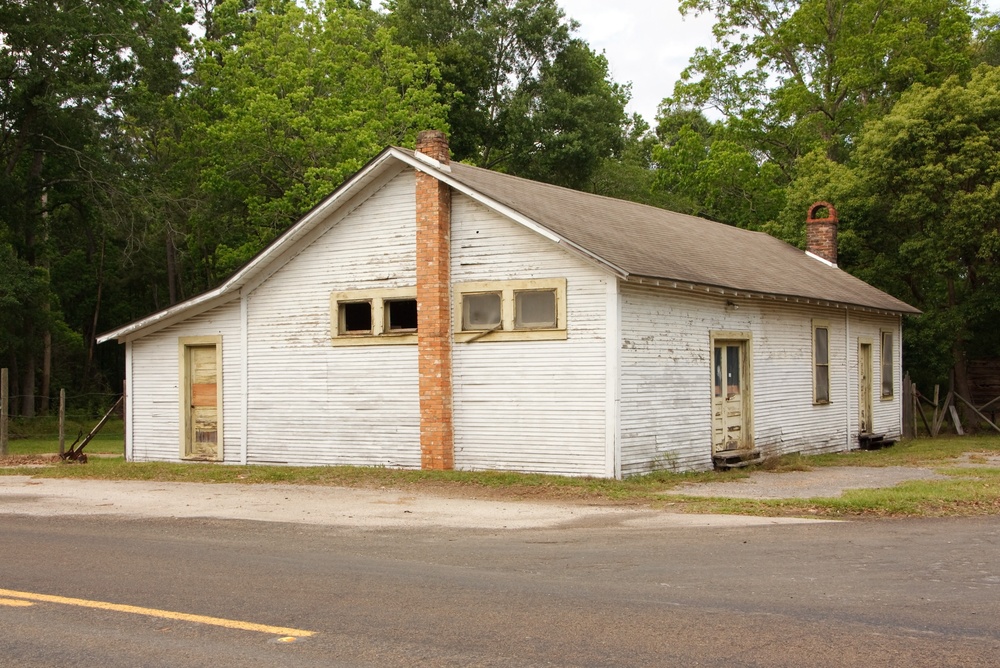
A vacant home faces risks that an occupied property may not, including theft, vandalism, weather damage, and unnoticed maintenance issues. Standard homeowners’ insurance may not provide full protection when a property remains empty for an extended period, making vacant home insurance an important coverage option.
According to the Insurance Information Institute, about one in 18 insured homes has a claim each year, showing that unexpected property damage events can affect homeowners at any time. Understanding vacant home insurance can help property owners protect their investment, avoid coverage gaps, and ensure their property remains protected while unoccupied.
Key Takeaways
- Vacant home insurance protects properties that remain empty for extended periods
- Standard homeowners’ insurance may limit coverage when a property is considered vacant
- Insurance companies use occupancy rules to determine whether a home requires vacant property coverage
- Vacant home insurance costs depend on location, property value, security features, and vacancy duration
- Choosing the right policy requires understanding coverage options and property-specific risks
Understanding the Need for Vacant Home Insurance
A home that sits empty faces different risks compared to a property with regular occupants. When no one is living in the home, issues such as water leaks, electrical problems, storm damage, or break-ins may go unnoticed for longer periods, increasing the potential repair costs.
Many standard homeowners’ insurance policies are designed around the assumption that someone regularly occupies and maintains the property. When a home becomes vacant, insurers may consider it a higher risk because there is no one present to identify problems quickly or discourage unwanted activity. If the property is being used as a rental, having the right coverage is especially important, as rental properties may require different insurance considerations.
Vacant home insurance helps address these risks by providing coverage designed specifically for unoccupied properties. Understanding how rental and property-specific insurance needs differ can help owners choose the right protection for their situation. Depending on the policy, coverage may include:
- Vandalism and theft
- Fire and smoke damage
- Weather-related damage
- Liability concerns
- Certain property losses
For example, a small plumbing leak in an occupied home may be discovered quickly, limiting damage. In a vacant property, the same issue could continue unnoticed for weeks or months, leading to more extensive repairs.
Vacant home insurance may also include liability protection. If someone enters the property and becomes injured, the homeowner could face financial responsibility. Proper coverage can help protect against unexpected expenses while the property remains empty.
For property owners, vacant home insurance is not only about protecting the structure itself. It also helps protect the financial investment connected to the property and reduces the risks associated with extended vacancy.
What Qualifies as a Vacant Home?
Understanding how insurers define a vacant home is important because the classification can affect your available coverage. Insurance companies typically have specific requirements for determining whether a property is considered vacant or simply unoccupied.
A home is generally considered vacant when it has been empty for an extended period and contains few or no personal belongings. Many insurers use a timeframe of approximately 30 to 60 days without occupants when determining vacancy status.
An unoccupied home may still contain furniture, personal items, and basic household belongings, even though no one is currently living there. This distinction matters because insurers may treat vacant and unoccupied properties differently when determining coverage needs.
Common situations where vacant home insurance may be needed include:
- A property waiting to be sold after the owner moves out
- A rental home between tenants
- A vacation property that remains unused for long periods
- An inherited home waiting for estate decisions
- A property undergoing major renovations
Homes under renovation can create additional insurance concerns. Even if contractors visit regularly, a property may still be considered vacant if no one is living there. Property owners should confirm their insurer’s vacancy requirements before assuming their existing policy provides adequate protection.
Commercial properties may also have vacancy rules that affect coverage. Business owners should review their policies carefully to understand how extended periods of inactivity may impact protection.
Standard Home Insurance vs. Vacant Home Insurance
Standard homeowners insurance and vacant home insurance are designed for different situations. A regular homeowners policy assumes the property is occupied, while vacant home insurance addresses the additional risks associated with empty properties. Similar considerations apply to second homes, which may have unique coverage needs depending on how often the property is occupied and how it is used.
| Coverage Consideration | Standard Home Insurance | Vacant Home Insurance |
| Property Occupancy | Designed for homes where residents regularly live | Designed for homes that remain empty for extended periods |
| Vandalism Coverage | May be limited or excluded during vacancy periods | Provides coverage options designed for vacant property risks |
| Damage Detection | Assumes issues are discovered quickly by occupants | Accounts for the delayed discovery of damage |
| Premium Costs | Typically lower due to reduced risk | Often higher because vacant properties carry additional risks |
| Policy Requirements | Standard maintenance expectations | May require inspections, security measures, or specific conditions |
One of the biggest differences between these policies is how insurers evaluate risk. A vacant property has fewer safeguards because there are no residents regularly monitoring the home. This increased risk often requires specialized coverage.
Many standard homeowners policies include vacancy clauses that limit protection after a property has been empty for a certain amount of time. If a homeowner does not notify their insurance provider about a vacancy, future claims may be denied depending on the policy terms.
Before leaving a home empty for an extended period, property owners should review their insurance policy and confirm whether additional coverage is needed. Taking this step can help prevent unexpected financial losses and ensure the property remains protected.
Factors Affecting the Cost of Vacant Home Insurance
The cost of vacant home insurance varies based on several factors related to the property, location, and level of risk. Since vacant properties are generally considered higher risk than occupied homes, premiums are often higher than standard homeowners’ insurance.
One of the biggest factors affecting cost is the location of the property. Homes in areas with higher crime rates, severe weather risks, or increased exposure to natural disasters may have higher insurance costs because insurers consider them more likely to experience damage or losses.
The length of time a property remains vacant can also influence premiums. A home that is empty for a short period may have different coverage requirements than a property that will remain vacant for several months or longer.
Security features can also affect pricing. Installing measures such as:
- Security systems
- Surveillance cameras
- Alarm monitoring
- Updated locks
- Regular property inspections
may help reduce risks and potentially lower insurance costs. Insurers often view these features positively because they can help prevent or quickly identify problems.
The condition and value of the property are also important considerations. A higher-value home may cost more to insure because repairs or replacement expenses would be greater after a covered loss. Similarly, homes requiring significant maintenance or repairs may carry higher premiums due to increased risks.
Before purchasing coverage, property owners should compare policy options and understand what factors are influencing the cost. The goal is to find protection that provides adequate coverage without paying for unnecessary features.
Tips for Choosing the Right Vacant Home Insurance Policy
Selecting the right vacant home insurance policy requires understanding your property’s specific risks and comparing available coverage options. Not every vacant property has the same needs, so the right policy will depend on factors such as location, vacancy duration, and property condition.
Start by reviewing multiple insurance providers to compare coverage limits, exclusions, and policy requirements. Some insurers may offer broader protection for risks such as vandalism, theft, weather damage, and liability, while others may provide more limited coverage.
Consider the risks your property is most likely to face. For example, a home in an area affected by severe storms may require stronger protection against weather-related damage, while a property in a high-crime area may require additional security considerations.
It is also important to understand the policy requirements. Some vacant home insurance policies may require:
- Regular property inspections
- Maintaining utilities
- Security measures
- Notification of changes in occupancy status
Failing to meet these requirements could affect coverage or lead to denied claims. Reviewing the insurer’s reputation and claims process is another important step. A policy is only valuable if the provider offers reliable support when a loss occurs. Look for an insurance company with a strong history of customer service and efficient claims handling.
Finally, make sure the policy includes both property protection and liability coverage. Protecting the physical structure is important, but liability coverage can also help protect you financially if someone is injured on the property.
Protect Your Vacant Property With the Right Insurance Coverage
Protecting a vacant home requires more than maintaining the property while it sits empty. It involves understanding how vacancy affects insurance coverage, identifying potential risks, selecting appropriate protection, and ensuring your policy meets your specific needs. Vacant home insurance can help address coverage gaps that may exist with standard homeowners insurance and provide financial protection against unexpected damage, theft, and liability concerns.
As a professional insurance provider, we help homeowners compare coverage options from multiple insurance carriers to find policies that fit their property needs and budget. Our team can help explain vacant home insurance requirements, review available coverage options, and recommend solutions designed to protect your property while it remains unoccupied.
Are you leaving a property vacant and unsure whether your current insurance provides enough protection? Contact us today to review your coverage, explore your options, and find an insurance policy that helps safeguard your home and investment.