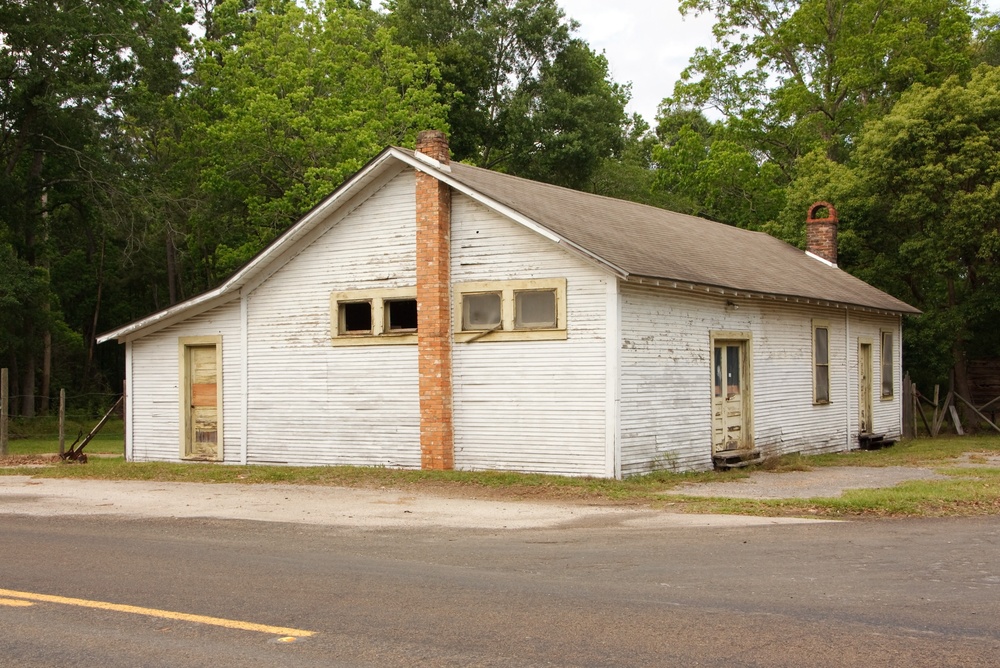
Owning a second home is exciting. It may be a vacation home in The Woodlands, Texas, a quiet cabin, or a rental property that earns income. But a second home also comes with risk. Many sit empty for weeks or months. Storms, theft, or water damage can happen when no one is there. That is why second home insurance is important.
A regular homeowners’ insurance policy for your primary home may not fully protect a second property. You need coverage built for different insurance needs. This guide explains what second home insurance cover includes, what it costs, and how it differs from homeowners’ insurance.
Key Takeaways
- Second home insurance protects your property, belongings, and liability risks
- Coverage depends on occupancy, location, and property use
- Liability coverage is critical for rental homes
- Premiums vary based on home type, location, and security features
- Understanding exclusions helps prevent claim surprises
Understanding Second Home Insurance Cover
Second home insurance is a policy for properties that are not your primary residence. Unlike standard homeowners insurance, it covers risks linked to seasonal use, long vacancies, or rental activity.
A second home insurance policy protects against property damage, liability claims, and other unexpected events. It gives homeowners peace of mind. A standard homeowners’ insurance policy assumes you live in the home full-time. Second home insurance coverage is different. It is built for homes that are vacant or used seasonally.
Insurers see these homes as higher risk. Because of this, second home insurance cover often includes different limits, deductibles, and conditions. These terms are designed to match your insurance needs.
Vacation Home or Rental Property Coverage
Second home insurance applies to different types of property, including vacation homes, rental properties, and secondary residences. Coverage can vary depending on the property type and its intended use. It protects against risks such as fire, theft, and natural disasters. Understanding your property type helps ensure you have the right protection in place.
Vacation Home Coverage
These homes are used for weekend trips or family vacations. They may sit empty for long periods. Empty homes face a higher risk of theft, water damage, or storm loss.
Seasonal Cabins
Rental Property Coverage
A dedicated second home insurance policy protects against property damage, liability claims, and other unexpected events. With the right coverage, you can avoid costly surprises or coverage gaps.
What This Insurance Policy Covers
A second home insurance policy protects your vacation property and your finances. It helps cover losses after a covered event. These policies usually include dwelling coverage, liability coverage, personal property coverage, and additional living expenses. Each part protects a different area of risk.
| Coverage Type | What It Protects | Notes |
| Dwelling Coverage | Structure of your home | Covers fire, wind, hail, vandalism, and other insured perils |
| Personal Property Coverage | Furniture, appliances, electronics, and other belongings | Important if the home is unattended for long periods |
| Liability Protection | Injuries on the property or damage to others’ property | Especially important for rental homes or guest visits |
| Additional Living Expenses | Temporary housing if the home is uninhabitable | Helps pay for living costs while repairs are made |
Each coverage type works together to protect your property. If your home becomes unsafe after a covered loss, additional living expenses help pay for temporary housing. Some homeowners may also need additional coverage. This may apply to high-value items, detached structures, or special risks not included in a standard insurance policy.
Expert Tip
Every insurance policy is different. Review the details with a qualified insurance professional. Make sure your second home insurance coverage fits your property, location, and insurance needs.
Risk Factors That Affect Your Premium
Several factors affect the cost of second home insurance. Insurance companies review these details to measure risk. Understanding these factors helps you make smart decisions. It may also help reduce your second home insurance cost.
| Factor | Details | Impact on Premium |
| Location and Risk Factors | Weather patterns, flood zones, wildfire risk | High-risk areas increase premiums |
| Proximity to Emergency Services | Distance to fire and police departments | Closer access may reduce premiums |
| Home Features and Security | Age, condition, alarm systems, gated access | Well-maintained homes with security features may lower premiums |
| Usage and Occupancy | Seasonal vs. year-round use, rental activity | Higher occupancy or rental activity can increase rates |
Insurance providers use this information to assess the level of risk tied to your property. Homes in high-risk areas often cost more to insure. You can lower risk by installing security systems, maintaining the home, and reviewing coverage regularly. Taking these steps may help reduce your premium.
Risk and Coverage Exclusions
Second home insurance protects your property, but it does not cover everything. Knowing what is typically excluded helps you avoid surprises if you need to file a claim.
Typical Exclusions:
- Flood and Earthquake: Often require separate policies for properties in flood-prone or seismic areas.
- Wear and Tear: Damage caused by lack of maintenance or gradual deterioration is not covered.
- Intentional Damage or Neglect: Damages from neglect or intentional acts are excluded.
Most standard homeowners’ insurance does not include flood insurance, and the same applies to second home insurance coverage. If your property is in a high-risk flood zone, purchasing a separate flood insurance policy is often necessary. Being aware of these exclusions allows homeowners to plan and purchase supplemental coverage if needed.
Why You Need Second Home Insurance
Investing in a second home is a big financial commitment. Adequate insurance coverage protects your investment and provides peace of mind. It shields you from costly repairs due to accidents, natural disasters, or theft. Insurance also helps cover liability if someone is injured on your property, ensuring your finances and assets remain secure.
Key Benefits:
- Property Protection: Covers damage from natural disasters, theft, or accidents. In Texas, hailstorms and severe storms are common.
- Liability Coverage: Protects against injuries or damages that occur on your property. This is crucial for rental homes or properties with guests.
- Mortgage Requirement: Many lenders require insurance to protect their investment, in addition to safeguarding your financial interests.
Insurance serves as a financial safety net, helping homeowners avoid costly out-of-pocket expenses. It protects against unexpected events such as natural disasters, theft, or liability claims. With the right coverage, homeowners can recover more quickly and maintain financial stability during challenging situations.
How This Insurance Policy Differs from Homeowners Insurance
Second homes face unique challenges that can raise insurance costs. Extended vacancies, seasonal use, and potential rental activity all increase risk for insurers. Properties in areas prone to storms, floods, or wildfires also carry higher risks. Because of these factors, second home insurance policies often have higher premiums:
- Extended Vacancies: Homes that sit empty are more vulnerable to damage or theft.
- Rental Income Loss: Policies may cover lost income if a rental property becomes uninhabitable.
Note: If your second property generates income, you may need landlord insurance instead of traditional homeowners insurance. Landlord insurance provides broader liability protection and may include loss-of-rent coverage, which is essential for investment property owners.
- Seasonal Use: Vacation or seasonal homes may need coverage tailored to occupancy patterns.
- Policy Terms: Limits, deductibles, and exclusions may differ based on location, usage, or home type.
Understanding these differences ensures homeowners choose a policy that truly fits their second home’s needs. This clarity helps prevent coverage gaps and protects their investment long term.
Tips for Choosing the Right Policy
Because every homeowner has different insurance needs, reviewing optional add-ons is important. You may need additional coverage for high-value belongings, detached structures, or liability protection beyond standard second-home insurance coverage.
Selecting the right second home insurance policy requires careful planning. Here are some tips our insurance experts recommend:
- Compare Multiple Quotes: Evaluate premiums, deductibles, and coverage limits from several insurers.
- Check for Coverage Gaps: Review policy exclusions such as flood, earthquake, or rental liability. Purchase supplemental coverage if necessary.
- Consider Umbrella and Liability Options: Extra liability protection is important if your property hosts guests or renters.
- Review Policy Annually: Home value, renovations, and local risks change over time. Regular reviews make sure coverage remains enough.
- Consult a Local Agent: A professional familiar with The Woodlands, Texas, can help handle property-specific risks.
Are you confident your second home has the right coverage? Contact Dickey Insurance Solutions today to review your options and protect your investment with trusted home, auto, renters, and business coverage. Our team focuses on personalized service, competitive rate comparisons, and clear guidance to help you make confident insurance decisions.
Protecting Your Vacation Property Investment
A second home insurance policy safeguards both property and liability risks. Understanding coverage options, exclusions, and location-specific risks allows homeowners to protect their investment and enjoy peace of mind.
As an expert insurance provider, we help homeowners choose the right policy for their property and lifestyle. Whether your second home is a vacation retreat, seasonal cabin, or rental property, our team ensures complete protection tailored to your needs.
Unsure about your coverage? Contact us to review your policy and secure insurance that protects your investment now and in the future.